Is or Was Your Family Toxic?
How does your family thrive? Are you doing OK, despite occasional difficulties and setbacks?
When things are tough, can you work together to solve them? Are there loving and fun
moments? Are you able to celebrate achievements together? Does each person in your family
have an opportunity to feel valued and appreciated? Or, despite all efforts, do you feel that
you’re all not getting along, you’re avoiding each other; or that your family members are hostile
and abusive? Here’s how to tell if your current family or your childhood family has gone beyond
mildly dysfunctional and moved into being toxic.
Indications Your Family May Be Toxic: 1. Drama and Hostility
When inevitable problems arise, healthy families discuss them, get the facts, and seek mutually
acceptable solutions. Dysfunctional families, however, don’t handle problems effectively, and
problems may be unsolved, because trying to solve them creates disagreements. Toxic families,
however, usually seek blame rather than solutions. When a family is problems, such as financial
issues, repairs or behavior issues become battlegrounds, leading to drama and hostility. Family
members focus on blaming each other, and accusations and shaming are common. Discussions
become fights, with yelling and sometimes violence. Instead of working together to solve issues,
family members throw accusations and nasty remarks. If interacting with your family usually
feels like a struggle, you may feel you have to tiptoe around each other to avoid conflict.
Indications Your Family May Be Toxic: 2. Secrets, Lies and Abuse
Even healthy families value privacy, and don’t want their intimate details revealed to the
neighborhood. In dysfunctional families, secrets are often accompanied by guilt. Toxic families
make even small things into giant secrets, which can create a toxic family environment. Family
members may demand that you not tell. In toxic families, looking good to other people is much
more important than actually being functional. Working hard to maintain a perfect façade, when
there are big problems, including addiction, violence and hostility within the family, is a
hallmark of a toxic family.
Toxic families forbid telling the truth, he truth is forbidden. Visitors are often discouraged,
because it is difficult to hide the truth when someone is personally there. In toxic families,
children grow confused about truth and honesty: even though they witness things in person,
family members are told not to believe what they see, and not to talk about it. This is
gaslighting. Either a family member or the family image must be protected. Usually the person
excuses are made for is a narcissistic abuser, or out of control in some way: drugs, alcohol,
sexual perversions, or gambling. The abuser is in control.
Indications Your Family May Be Toxic: 3. Lack of Respect
In healthy families, each person is respected and can request boundaries. Toxic families don’t
respect personal space, personal possessions, and other things; which can be taken or damaged,
and no protest is allowed. You are expected to follow rules, and your personal wants, needs, and
opinions don’t matter. If you try to assert yourself, you can be punished or even thrown out of
the family. Even after you manage to leave the home, the judgement and disapproval of the
family follows you.
Indications Your Family May Be Toxic: 4. You Feel Unsafe
Heathy families, of course, are safe for their family members. The most extreme toxic families
can be abusive and physically and emotionally unsafe. Toxic families can use threats, violence,
and withholding of love and support to control you. If you feel unsafe within your family, either
physically or emotionally, it is possible to get free. If you are traumatized by growing up in a
toxic family, you can heal. Read “The Legacy of Dysfunctional Relationships” for more about healing.
If you are in immediate danger, call (911). If you need to speak to someone domestic violence and
are not in immediate danger, contact the Domestic Violence Hotline at 800.799.SAFE (7233) for
help and information.
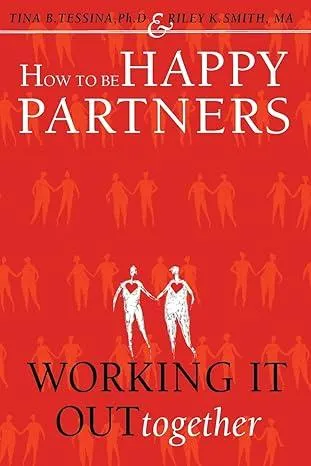
Adapted from: How to Be Happy Partners: Working It Out Together
Tina B. Tessina, Ph.D. (www.tinatessina.com) is a licensed psychotherapist in S. California since 1978 with over 45 years’ experience in counseling individuals and couples and author of 18 books in 17 languages, including Dr. Romance’s Guide to Finding Love Today; It Ends With You: Grow Up and Out of Dysfunction; The Ten Smartest Decisions a Woman Can Make After Forty; The Real 13th Step , How to Be Happy Partners: Working it Out Together; How to Be a Couple and Still Be Free, Money, Sex and Kids; 52 Weeks to Better Mental Health, and her newest, Stop Overthinking. She writes the “Dr. Romance” blog and the “Happiness Tips from Tina” email newsletter. Online, she’s known as “Dr. Romance” Dr. Tessina appears frequently on radio, TV, video and podcasts. Find everything at https://tinabtessina.my.canva.site/bio-link


